Understanding Wrongful Termination in North Carolina
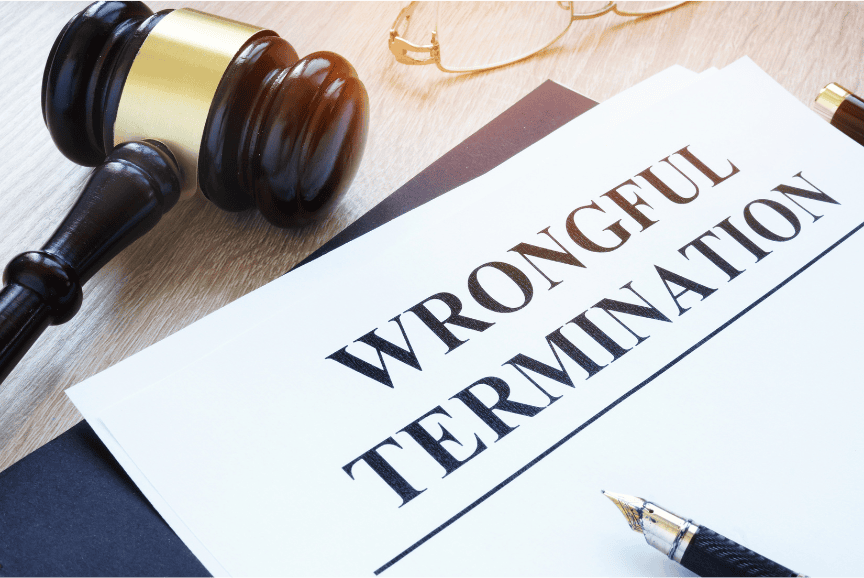
Knowing when to hire a wrongful termination lawyer can be difficult. Wrongful termination is the case when an employee is fired or laid off, and the termination breaches several terms of the contract agreement.
North Carolina is an at-will employment state, meaning that a company has the discretion to fire an employee. The state gives companies the right to fire you without any warning or allow you to fix the problem (if you caused any).
In cases when the company violates the contract between them and the employee, then it is a case of wrongful termination.
If you believe that some stances of your contract were violated and that you have a case of wrongful termination, you need to seek help from an employment attorney. Let’s see when you should hire one.
Your wrongful termination is illegal
Before we go deep into the article, you need to know that no law makes it illegal for a company to terminate its employees wrongfully.
However, some laws point out some reasons as illegal when it comes to wrongful termination.
The most frequent type of wrongful termination is when you get fired because of discrimination. Under federal and North Carolina law, it is illegal for a company to discriminate against an employee based on their age (older than forty), gender, race, skin color, religion, pregnancy, genetic information, and national origin.
If you believe that your contract was ended because at least one of the upper mentioned reasons, you could hire a wrongful termination attorney and seek further justice.
Your attorney can help you file a discrimination claim with the U.S Equal Employment Opportunity Commission.
Also, an employer cannot fire you because you decided to seek your rights, such as requesting a worker’s compensation claim.
If you have a written employment contract and are terminated in violation of that contract, you may file a breach of contract case against your former company in the North Carolina civil court. Union members that were terminated in violation of their union’s collective bargaining agreement may also file a complaint with their union.
North Carolina at-will employment exceptions
North Carolina has adopted the employment-at-will laws. These laws give companies the discretion to fire workers at any time, and for any reason, so long the company and employee have no contract that says otherwise (and if there are no other regulations about the relationship).
Although North Carolina is an at-will employment state, there are some exceptions to it. If your employer fires you under any of those exceptions, it would be considered a violation of the employment laws, and you could file a lawsuit. You, as an employee, may be able to receive compensation such as back and front pay, punitive damages, compensation for attorney fees, and may be returned to your previous job.
- Breach of contract – If the agreement between you and your employer is violated, it can result in legal action. Such contracts dictate that workers are not at-will employees, which ensures their job. Such legal documents go in detail about what circumstances you may lose your job. Breach of contract ends the company’s rights to stop an employment relationship at any time without a valid reason.
- Discrimination – In most cases, when an employee is wrongfully terminated, they face some discrimination. Federal and North Carolina law restricts an employer from firing a worker based on their race, color, national origin, genetic information, pregnancy, religion, sex, or age. North Carolina state law also defines that workers cannot be fired because of their military service or status. Discrimination is if the employer terminates a worker who has a hemoglobin C trait, an immunodeficiency syndrome, human immunodeficiency virus, or a sickle cell. A worker cannot be fired because to their legal use of lawful products outside of the workplace.
- Retaliation – Forbidden acts of retaliation include relocating, suspending, reducing, or cutting workers’ wages. Under these laws, companies are not allowed to fire workers or retaliate against them for participating in discrimination hearings or declaring their legal rights. These activities are considered protected (including testifying in court or taking other steps to stop discriminatory practices).
If you believe you have been wrongfully terminated, it is time to seek legal help from an employment attorney. Filing a lawsuit can take time. You would need guidance but also evidence such as employment documents, HR manuals, employment contracts, agreements, written communication with your employer, job description, and any other evidence that could support your case.
Our team at Harman Law is here to help you. Contact us today to schedule your initial consultation.